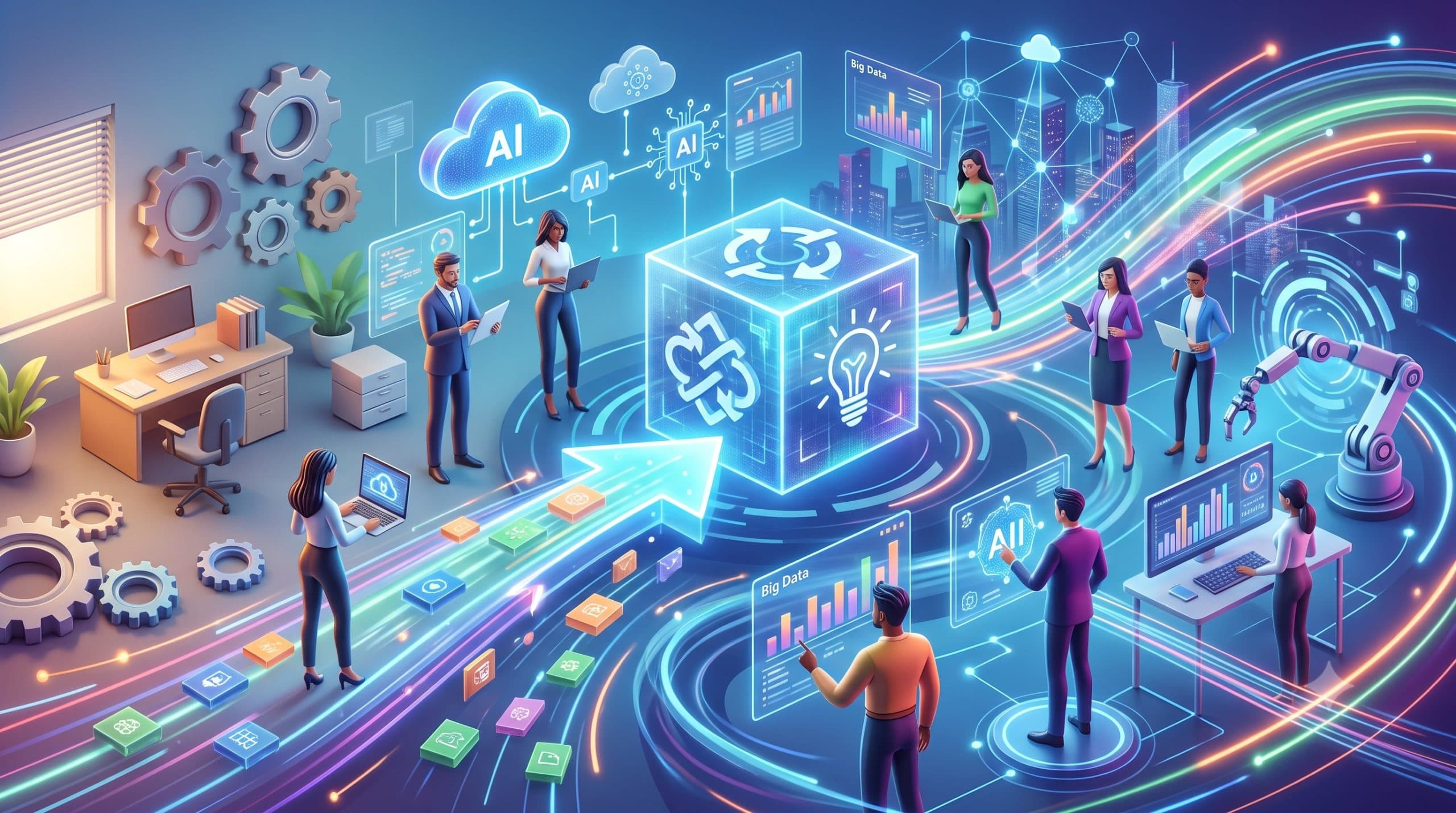
A Complete Guide for Modern Businesses Businesses today face pressure to work faster and make better decisions. They must also deliver better customer experiences and adapt to changing markets. Technology can help, but buying new software alone is not Digital Transformation. Digital Transformation is the process of using technology, data, and new ways of working […]
A Complete Guide for Modern Businesses
Businesses today face pressure to work faster and make better decisions.
They must also deliver better customer experiences and adapt to changing markets.
Technology can help, but buying new software alone is not Digital Transformation.
Digital Transformation is the process of using technology, data, and new ways of working to improve how a business operates.
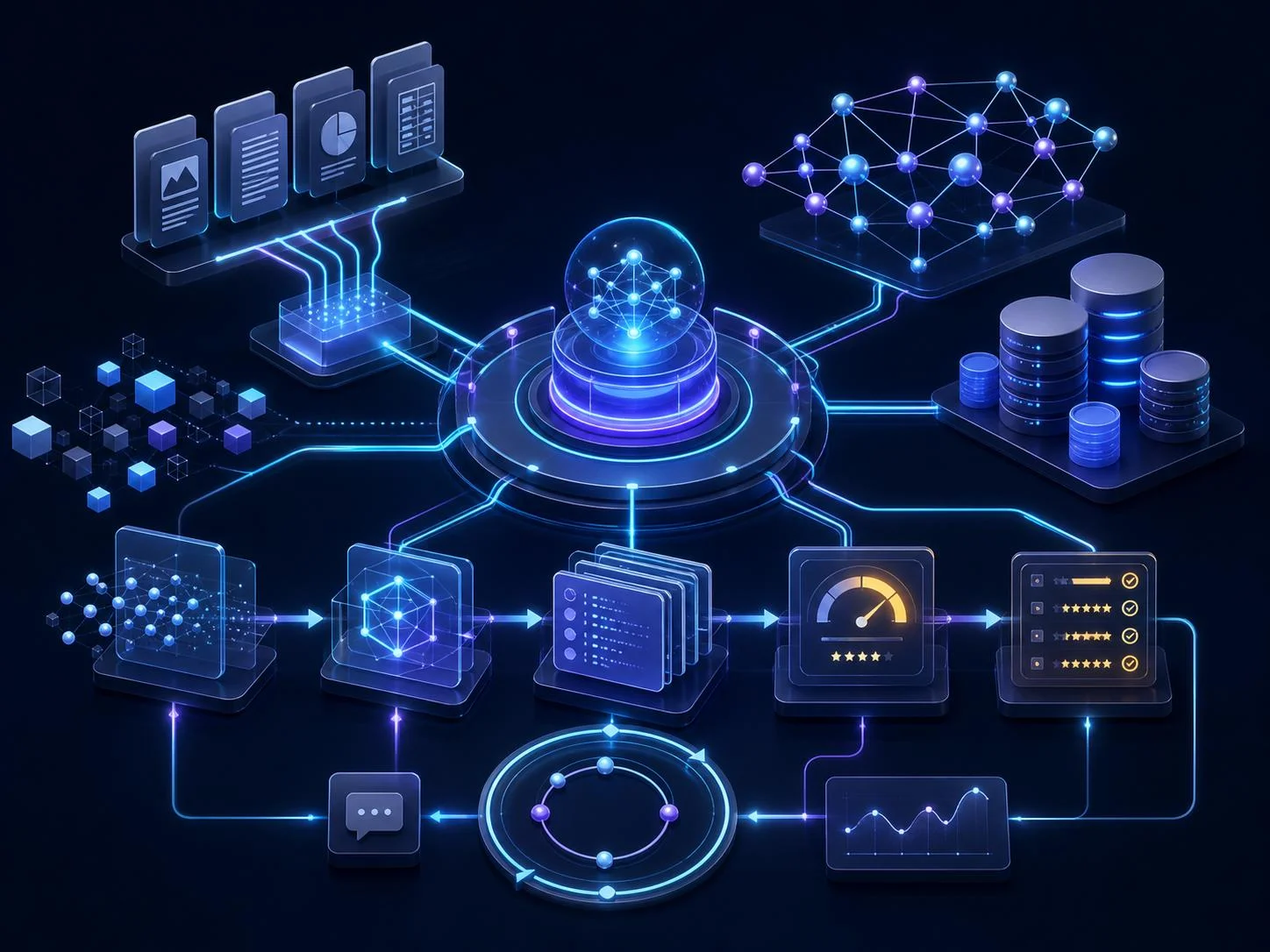
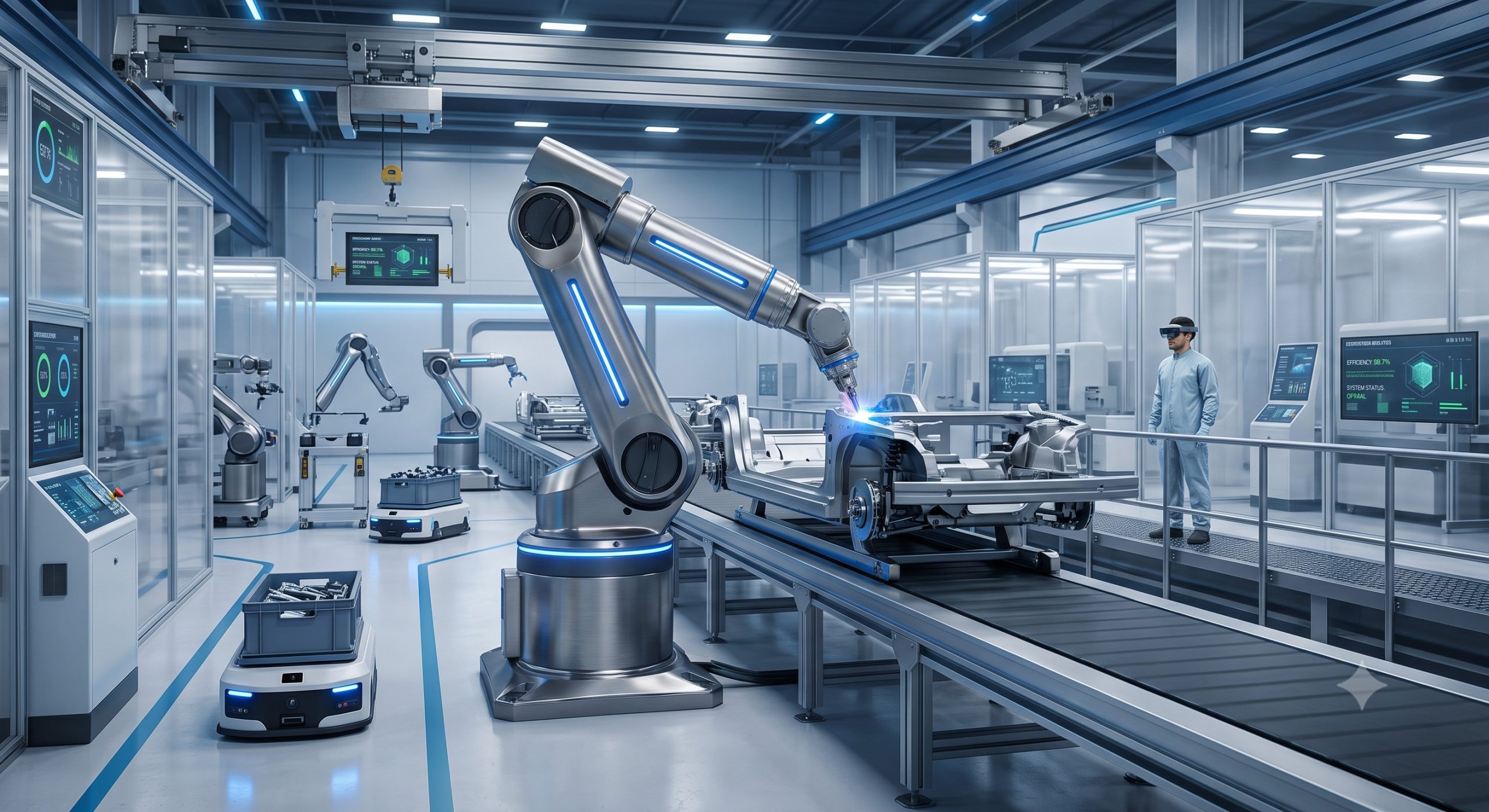
It can involve automation, cloud platforms, artificial intelligence, data analytics, integrated software, and redesigned workflows.
These elements work together to create value for customers and the business.
For businesses of any size, the objective is not to become “more digital” for its own sake. The objective is to build a business that is more connected, efficient, adaptable, measurable, and capable of scaling.
Quick Answer: What Is Digital Transformation?
Digital transformation is the strategic use of digital technology to change and improve business processes, operations, customer experiences, decision-making, and business models.
It goes beyond replacing paper with digital documents or moving spreadsheets into software. A successful digital transformation connects people, processes, technology, and data so that a business can operate more effectively.
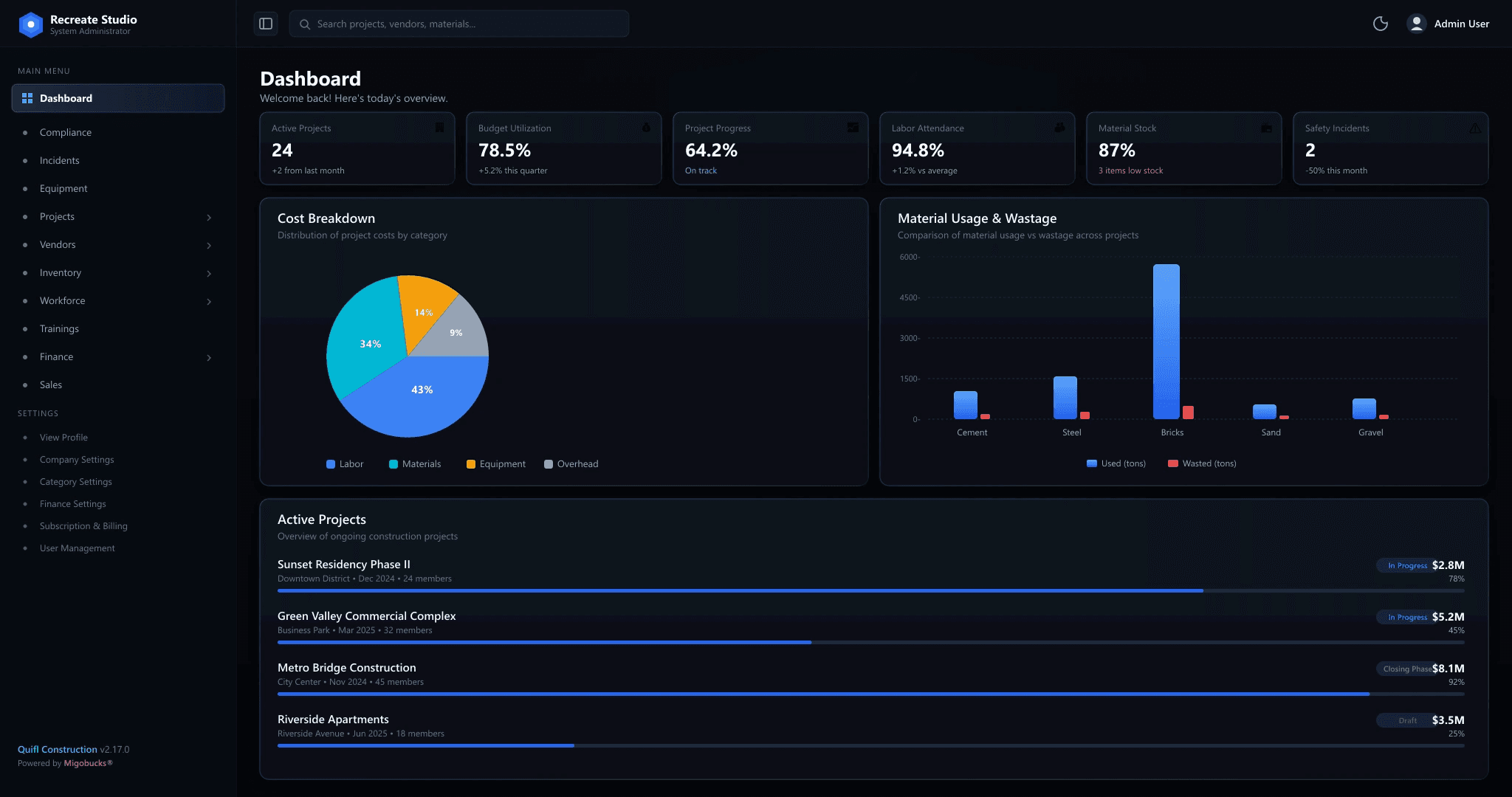
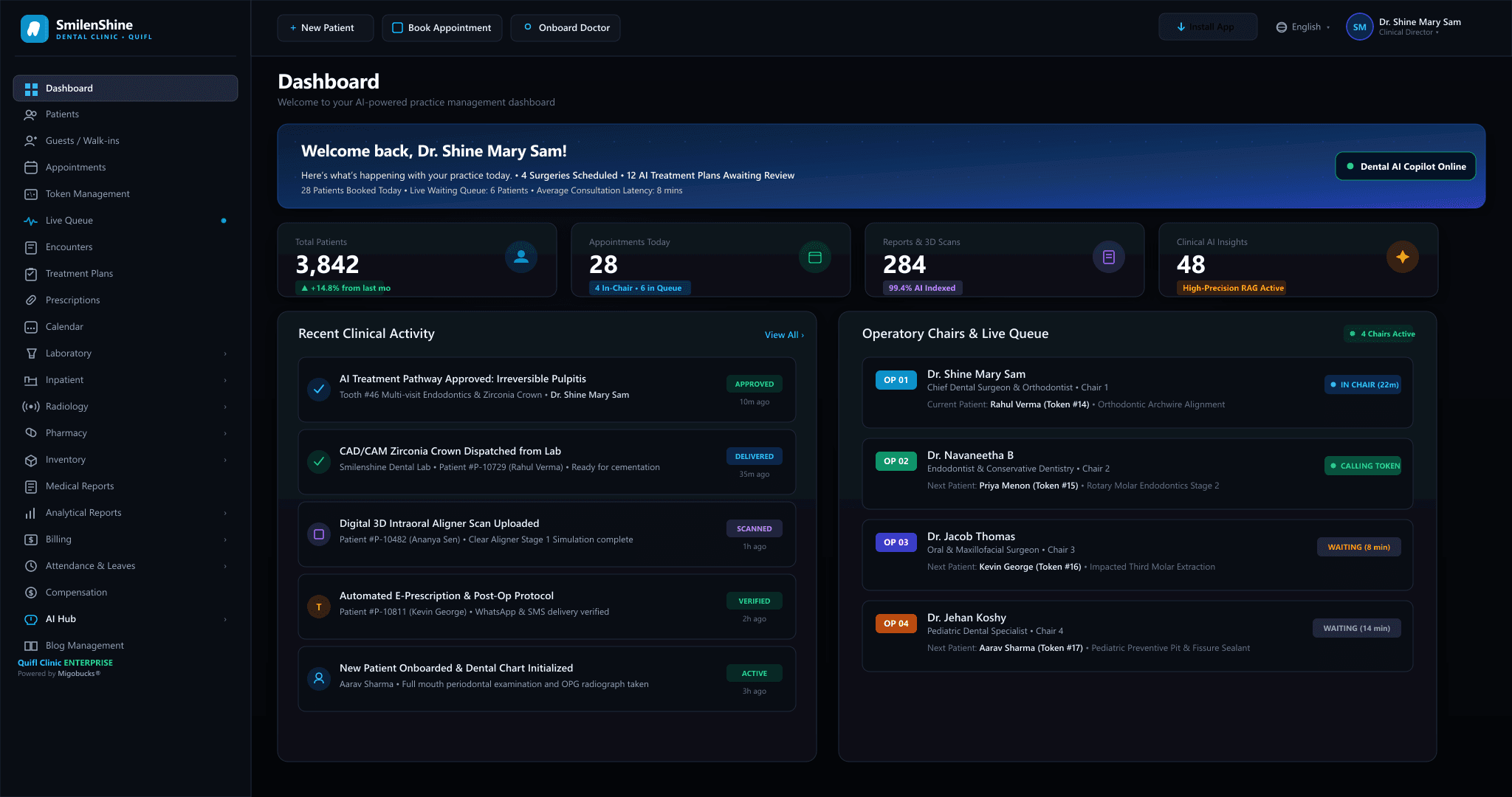
For example, a business might move from manually processing employee information, invoices, approvals, and reports across spreadsheets and email to using connected digital workflows with automated processes, centralized information, and real-time reporting.
Why Is Digital Transformation Important for Businesses?
Traditional businesses often grow by adding more people, processes, spreadsheets, applications, and manual procedures.
That can work for a while.
Eventually, however, operational complexity begins to increase.
Employees may spend significant time entering the same information into different systems. Managers may wait for reports before making decisions. Different departments may maintain separate versions of business data. Customers may experience slow or inconsistent processes.
Digital transformation provides a way to address these problems systematically.
Instead of asking:
“What software should we buy?”
businesses should ask:
“How should our business operate, and what technology can help us operate that way?”
That change in perspective is at the heart of digital transformation.
What Is the Difference Between Digitization, Digitalization, and Digital Transformation?
These terms are related, but they are not the same.
| Concept | Meaning | Example |
|---|---|---|
| Digitization | Converting physical information into digital form | Scanning paper records |
| Digitalization | Using digital technology to improve an existing process | Using software instead of manual data entry |
| Digital Transformation | Fundamentally changing how the business operates through technology | Connecting departments, automating workflows, using data for decisions, and redesigning processes |
Digitization can be the first step.
Digitalization can improve individual processes.
Digital transformation connects these improvements into a broader business strategy.
How Does Digital Transformation Work?
Digital transformation does not happen by installing one application.
It is usually a continuous process involving several stages.
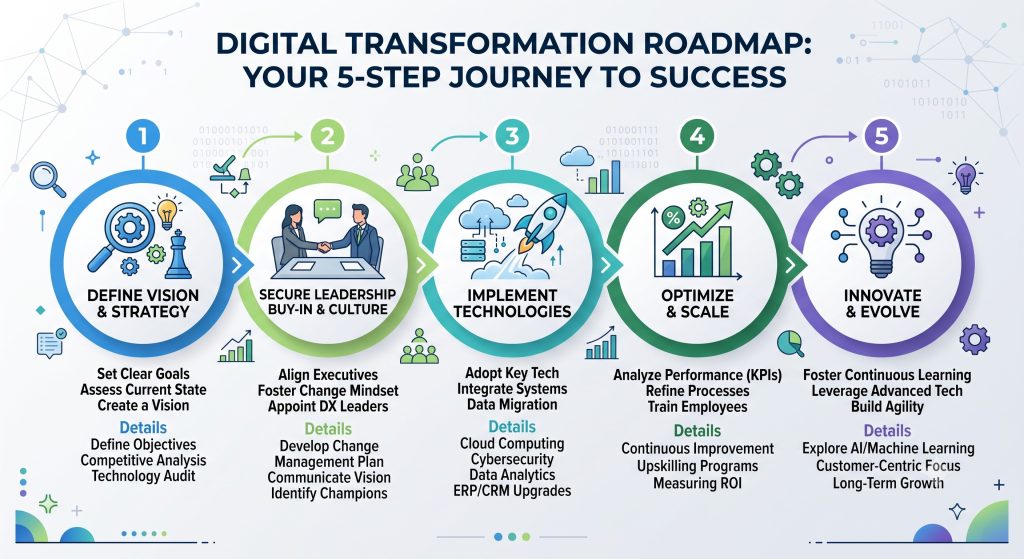
1. Assess the Current Business
The first step is understanding how the business currently operates.
Identify:
- Manual processes
- Repetitive work
- Data silos
- Paper-based processes
- Duplicate data entry
- Communication gaps
- Slow approval processes
- Reporting limitations
- Customer experience problems
- Technology limitations
The objective is to identify where technology can create measurable value.
2. Define Business Objectives
Technology should support business objectives.
A company might want to:
- Reduce operational workload
- Improve reporting
- Increase productivity
- Improve customer experience
- Reduce errors
- Automate repetitive processes
- Improve collaboration
- Support business growth
- Create better visibility into operations
The technology strategy should be built around these objectives.
3. Prioritize Processes
Not every process needs to be transformed at once.
Businesses should identify high-impact processes first.
For example:
High volume + repetitive + rules-based + time-consuming
is often a strong candidate for automation.
4. Implement the Right Technology
Depending on the business, digital transformation may involve:
- Cloud computing
- SaaS applications
- Enterprise software
- Business automation
- Artificial intelligence
- Data analytics
- APIs and integrations
- Mobile applications
- Digital communication
- Workflow management
- Business intelligence
The correct technology depends on the business problem.
5. Measure and Improve
Digital transformation should not end when software is implemented.
Businesses should continuously measure:
- Process efficiency
- Employee productivity
- Customer experience
- Operational costs
- Error rates
- Response times
- Adoption
- Business performance
The results should guide the next stage of transformation.
What Are the Main Components of Digital Transformation?
Digital transformation is broader than technology alone.
People
Employees need the skills, training, and support required to work effectively with new systems.
Technology cannot deliver value if people do not understand how to use it.
Processes
Existing workflows should be examined before simply moving them into software.
A poorly designed manual process can become a poorly designed digital process.
Technology
Technology provides the infrastructure for transformation.
This can include cloud platforms, SaaS applications, automation tools, AI systems, analytics platforms, APIs, and business software.
Data
Modern businesses generate large amounts of information.
Digital transformation can help businesses centralize, organize, analyze, and use that information for better decisions.
Customer Experience
Transformation should ultimately create value for customers.
This might mean:
- Faster responses
- Easier communication
- Better service
- More personalized experiences
- Faster transactions
- Greater transparency
A technology project that improves internal operations but creates a worse customer experience should be reconsidered.
What Technologies Enable Digital Transformation?
There is no single technology responsible for digital transformation.
Instead, different technologies can work together.
Cloud Computing
Cloud technology can provide businesses with flexible access to infrastructure and software without requiring every organization to maintain extensive physical infrastructure.
SaaS
Software-as-a-Service allows businesses to access software through subscription-based cloud platforms.
Business Automation
Automation can reduce repetitive manual work by allowing software to execute predefined workflows and processes.
Artificial Intelligence
AI can support areas such as analysis, recommendations, content processing, customer interaction, decision support, and intelligent automation.
Data Analytics
Analytics helps businesses convert operational data into useful information for decision-making.
APIs and Integrations
APIs allow different applications and systems to communicate with each other.
This can reduce information silos and create more connected operations.
What Are the Benefits of Digital Transformation?
A well-planned digital transformation strategy can create benefits across an organization.
Improved Operational Efficiency
Automated workflows can reduce repetitive manual tasks and allow employees to focus on higher-value work.
Better Business Visibility
Connected systems and centralized data can give managers better visibility into operations.
Faster Decision-Making
When relevant information is easier to access and analyze, decision-makers can respond more quickly.
Reduced Manual Errors
Automation and standardized workflows can reduce certain types of repetitive data-entry and process errors.
Improved Customer Experience
Digital processes can make interactions faster, more consistent, and easier for customers.
Greater Scalability
Connected digital processes can make it easier for a growing business to handle increasing operational complexity.
Better Collaboration
Digital systems can connect teams and make information easier to share.
Is Digital Transformation Only for Large Enterprises?
No.
Digital transformation can be relevant to startups, SMEs, growing businesses, and large enterprises.
The scale of transformation should match the organization’s size, resources, objectives, and operational complexity.
For a smaller business, transformation might begin with:
- Centralizing business information
- Automating approvals
- Moving from spreadsheets to business software
- Introducing cloud applications
- Improving reporting
- Connecting existing applications
A larger organization may require:
- Enterprise architecture
- Data integration
- Multiple business systems
- AI implementation
- Legacy system modernization
- Advanced analytics
- API ecosystems
- Enterprise-wide workflow automation
The principle remains the same:
Technology should solve a real business problem.
How Can Small Businesses Start Digital Transformation?
Small businesses do not need to transform everything simultaneously.
A practical approach is to start with the processes that create the most operational friction.
Step 1: Identify repetitive work
List activities that employees perform repeatedly.
Step 2: Identify information silos
Find information that exists separately across spreadsheets, emails, documents, and disconnected applications.
Step 3: Find the biggest bottlenecks
Look for processes that regularly cause delays.
Step 4: Prioritize automation
Choose processes where automation can produce measurable improvements.
Step 5: Introduce connected software
Use appropriate digital platforms to centralize information and workflows.
Step 6: Train employees
Make adoption part of the transformation strategy.
Step 7: Measure results
Compare performance before and after implementation.
This creates a practical transformation cycle rather than a large technology project with no measurable outcome.
What Are the Biggest Digital Transformation Challenges?
Digital transformation can fail when businesses focus entirely on technology and ignore organizational change.
Common challenges include:
Resistance to Change
Employees may be comfortable with existing processes even when those processes are inefficient.
Poor Planning
Implementing technology without clearly defining the business problem can lead to wasted resources.
Fragmented Systems
Adding more applications without considering integration can create additional information silos.
Lack of Skills
Organizations may need new technical and operational capabilities.
Data Problems
Poor-quality, duplicated, or inconsistent data can limit the value of digital systems.
Lack of Leadership
Digital transformation requires organizational commitment, not just an IT project.
Trying to Transform Everything at Once
Large transformation programs can become difficult to manage when priorities are not clearly defined.
What Does a Practical Digital Transformation Strategy Look Like?
A useful framework is:
Assess → Prioritize → Plan → Implement → Measure → Improve
Assess
Understand the current state.
Prioritize
Identify the processes where technology can create the greatest impact.
Plan
Define the technology, people, processes, resources, and timeline required.
Implement
Introduce the solution in manageable stages.
Measure
Track business outcomes rather than simply measuring whether software was installed.
Improve
Use the results to identify the next opportunity.
This approach turns digital transformation into an ongoing business capability rather than a one-time technology project.
The Role of Business Automation in Digital Transformation
Business automation is one of the practical foundations of digital transformation.
Automation can help businesses move from:
Manual task → Digital workflow → Automated workflow → Intelligent workflow
For example, a process that previously required an employee to collect information, send an email, request approval, update a spreadsheet, and prepare a report could potentially be redesigned as a connected workflow.
The important point is that automation should not simply reproduce inefficient processes.
Businesses should first understand the process, simplify it where possible, and then automate appropriate steps.
Where Does AI Fit Into Digital Transformation?
Artificial intelligence is becoming an increasingly important component of modern business technology.
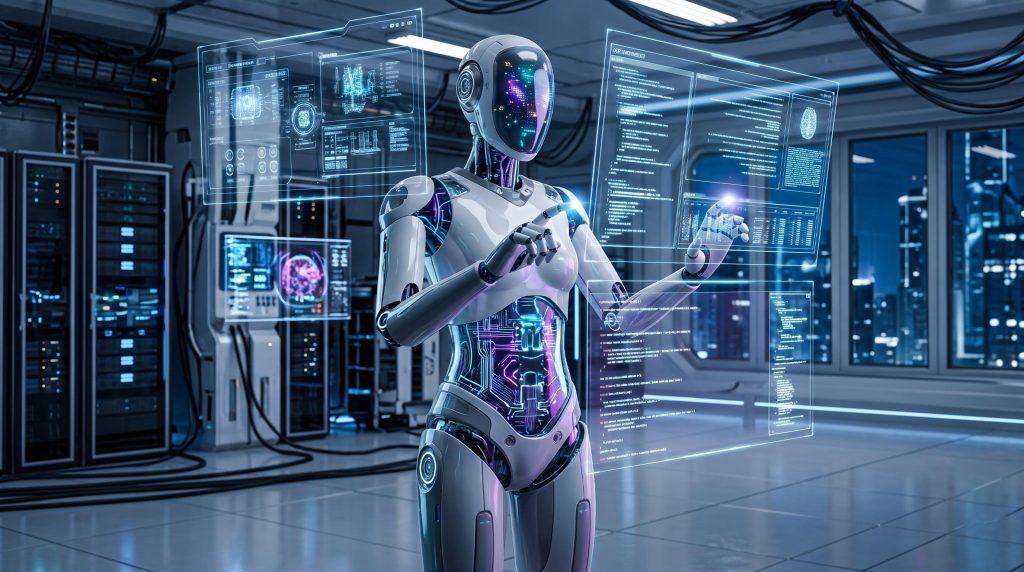
AI can potentially support:
- Business analysis
- Customer service
- Knowledge retrieval
- Content processing
- Decision support
- Forecasting
- Workflow automation
- Data analysis
- Personalized experiences
Adding AI simply because it is a current technology trend does not constitute digital transformation.
The stronger approach is to identify a business problem and determine whether AI can provide a meaningful improvement.
A Simple Digital Transformation Checklist
Before starting a digital transformation initiative, ask:
- What business problem are we trying to solve?
- Which processes consume the most time?
- Which tasks are repetitive?
- Where does business data currently reside?
- Are different departments using disconnected systems?
- Which processes should be automated?
- What information do decision-makers need?
- What does the customer experience look like today?
- Which technology capabilities do we actually need?
- How will success be measured?
- How will employees be trained?
- How will the transformation scale as the business grows?
These questions can help organizations move from technology-first thinking toward business-first transformation.
Frequently Asked Questions
What is digital transformation in simple terms?
Digital transformation means using digital technology to fundamentally improve how a business operates, makes decisions, serves customers, and creates value.
Why is digital transformation important?
It can help businesses improve operational efficiency, automate repetitive work, improve data visibility, enhance customer experience, and adapt more effectively as the business grows.
Is digital transformation the same as automation?
No. Automation is one component of digital transformation. Digital transformation can also involve technology strategy, data, people, customer experience, business processes, cloud systems, AI, and organizational change.
Can small businesses implement digital transformation?
Yes. Small businesses can begin with focused improvements such as moving away from disconnected spreadsheets, digitizing workflows, automating repetitive processes, improving reporting, and connecting business systems.
What technologies are used in digital transformation?
Common technologies include cloud computing, SaaS, business software, AI, automation, analytics, APIs, integrations, and mobile technologies.
How should a business start digital transformation?
Start by understanding current business processes, identifying operational problems, prioritizing high-impact opportunities, selecting appropriate technology, implementing in stages, and measuring business outcomes.
Key Takeaways
- Digital transformation is a business strategy, not simply a technology upgrade.
- People, processes, technology, data, and customer experience all matter.
- Business automation can be a practical starting point for transformation.
- Small businesses do not need to transform everything at once.
- The best technology strategy begins with a clearly defined business problem.
- Digital transformation is an ongoing process of measuring, learning, and improving.
Building the Next Generation of Digital Businesses
Technology is changing how businesses operate, but successful digital transformation is not about adopting every new technology.
It is about understanding how a business works today, identifying where it can work better, and using the right combination of people, processes, data, and technology to create that improvement.
At Migobucks Tech, our technology and business perspective is built around the intersection of business needs, automation, AI, digital solutions, and emerging technology.
The next stage of digital transformation will not simply be about putting existing processes online. It will be about creating businesses that are more connected, intelligent, automated, and adaptable.
The question for businesses is no longer whether technology will change the way they operate. The question is how intentionally they will use it to build what comes next.
Related Reading
- What Is Business Automation?
- What Is Artificial Intelligence?
- What Is Generative AI?
- How AI Agents Are Changing Business Operations
- Why Businesses Outgrow Spreadsheets
- SaaS vs Self-Hosted Software
- How Businesses Can Automate Repetitive Work
Related Topics
Share this post

admin
Published on September 9, 2026 • 11 min read
Discussion 0
No comments yet
Be the first to share your thoughts and join the conversation.
Leave a Comment
Your email address will not be published. Required fields are marked *