Artificial intelligence has become a familiar part of modern business. Organizations use AI-powered chat bots to answer customer questions, generative AI tools to create content, and intelligent systems to analyze information and support decision-making. However, a new development is changing how businesses think about AI: agentic AI. Unlike traditional AI tools that primarily respond to […]
Artificial intelligence has become a familiar part of modern business. Organizations use AI-powered chat bots to answer customer questions, generative AI tools to create content, and intelligent systems to analyze information and support decision-making.
However, a new development is changing how businesses think about AI: agentic AI.
Unlike traditional AI tools that primarily respond to prompts or perform predefined tasks, AI agents can work toward a specific goal, plan a sequence of actions, interact with connected tools, and respond to changing information within defined boundaries.
Imagine a business that receives hundreds of customer inquiries every month. A traditional chat bot might answer frequently asked questions. An AI agent, when properly integrated with business systems and authorized to do so, could classify inquiries, retrieve relevant customer information, recommend the next action, update a CRM record, and assign a follow-up task to the appropriate team member.
This shift represents an important technology trend in 2026. The conversation is moving beyond what AI can generate toward what AI can help organizations accomplish.
For businesses, the opportunity is significant. But realizing that opportunity requires more than adopting a new AI tool. It requires understanding business processes, connecting reliable data, defining permissions, and measuring actual outcomes.
What Is Agentic AI?
Agentic AI refers to AI systems designed to pursue defined objectives by reasoning through tasks, selecting actions, using available tools, and adapting their approach based on the information they receive.
An AI agent may combine a language model with business rules, APIs, enterprise data, workflow tools, and monitoring mechanisms.
For example, consider a procurement workflow:
- A department submits a material request.
- The system checks the request against predefined policies and available inventory data.
- An AI agent identifies missing information or potential issues.
- It gathers supplier information and prepares a comparison.
- It recommends a suitable option based on approved criteria.
- An authorized employee reviews and approves the purchase.
- The business system records the approved transaction and tracks its status.
The agent can support multiple steps in this process, while the organization retains control over approvals and financial commitments.
It is important to distinguish agentic AI from ordinary automation. Traditional automation follows predefined rules and paths. Agentic systems can select among available actions based on context, although their reliability depends on the quality of their models, tools, data, and safeguards.
Agentic AI does not necessarily mean completely autonomous AI. In many enterprise environments, the most useful approach combines automated execution with human review at critical decision points.
Agentic AI vs. Traditional Business Automation
Traditional automation remains valuable for repetitive processes with stable rules. Agentic AI introduces additional flexibility when a task involves unstructured information, multiple possible paths, or changing circumstances.
| Area | Traditional automation | Agentic AI |
|---|---|---|
| Decision process | Predefined rules and conditions | Context-dependent reasoning within constraints |
| Workflow | Usually follows configured paths | Can select from approved actions |
| Input | Often structured data | Can work with structured and unstructured information |
| Exceptions | Requires predefined exception handling | May interpret exceptions and recommend next steps |
| Human involvement | Configuration, monitoring, exception handling | Oversight, approval, validation, and exception handling |
| Best suited for | Stable, repeatable processes | Complex workflows with variable inputs |
These approaches are complementary rather than mutually exclusive. A business can use traditional automation for predictable transactions and agentic AI for tasks requiring interpretation or flexible coordination.
For example, an invoice-processing workflow might use AI to extract information from a supplier invoice, business rules to validate tax calculations, and conventional automation to post an approved transaction to the accounting system.
This hybrid approach can offer flexibility without sacrificing financial controls.
Five Ways Agentic AI Can Transform Business Operations
1. Intelligent CRM and Sales Operations
Sales teams manage customer inquiries, qualification, follow-ups, meetings, proposals, and pipeline updates. Much of this work involves gathering information and coordinating activities across systems.
AI agents can help sales teams by:
- Classifying incoming leads based on defined qualification criteria.
- Summarizing customer interactions and meeting notes.
- Identifying missing information in customer records.
- Preparing personalized follow-up drafts.
- Recommending next steps based on sales-stage rules.
- Creating reminders and tasks in a connected CRM.
Consider a company receiving inquiries through its website, email, and sales representatives. An AI agent could consolidate relevant information, identify the likely product requirement, and prepare a recommended next action for the sales team.
The business benefit is not simply faster communication. It is improved visibility, more consistent follow-ups, and less administrative work.
However, customer-facing communications, pricing commitments, and changes to important customer records should remain subject to appropriate permissions and review.
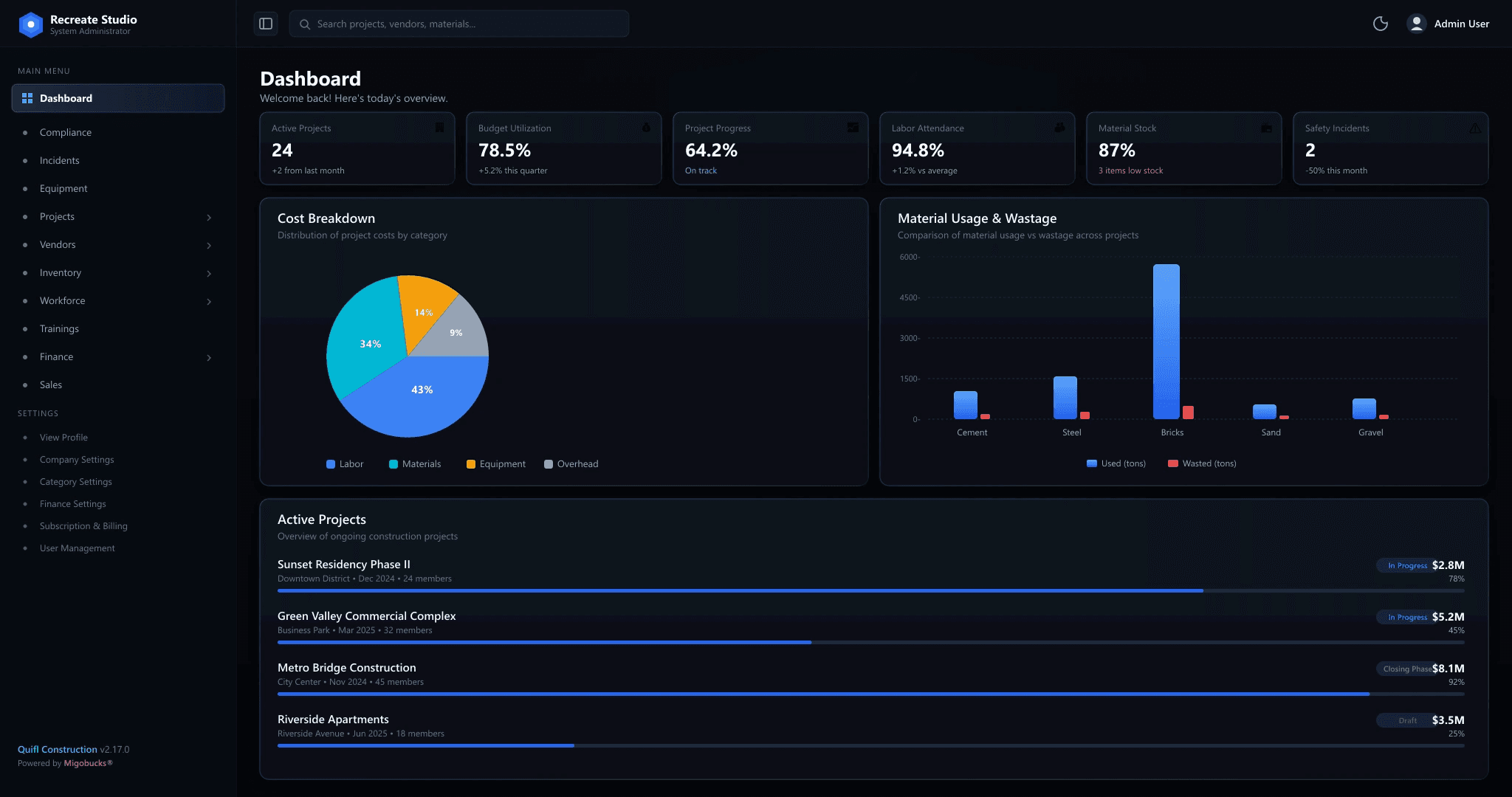
2. Procurement and Inventory Management
Inventory and procurement decisions depend on several connected variables: current stock, project requirements, supplier availability, purchase prices, delivery schedules, and expected demand.
AI agents can help interpret these variables and highlight potential issues before they affect operations.
Possible applications include:
- Identifying materials that may fall below required stock levels.
- Comparing supplier quotations against approved criteria.
- Flagging differences between purchase orders, goods receipts, and supplier invoices.
- Identifying unusual consumption patterns.
- Recommending replenishment based on demand and lead times.
- Preparing purchase requests for review.
For example, a construction project may require materials at different milestones. An AI agent could compare the project schedule with inventory availability and expected supplier delivery dates, then flag materials that could delay upcoming work.
The agent should not independently purchase materials simply because a shortage is detected. Procurement policies, budget limits, supplier approvals, and authorization thresholds must determine which actions it can take.
3. Finance and Accounting Workflows
Finance is another area where intelligent assistance can reduce manual effort, particularly in document processing and transaction review.
AI agents can assist with:
- Extracting information from invoices and receipts.
- Matching invoices against purchase orders and goods receipts.
- Identifying duplicate invoices or unusual transaction patterns.
- Categorizing transactions for accountant review.
- Preparing draft journal entries based on configured accounting rules.
- Highlighting overdue receivables and upcoming payment obligations.
For instance, when a supplier invoice arrives, an AI agent could extract the supplier name, invoice number, date, amount, and tax details. The accounting system could then compare those details with the relevant purchase order and goods receipt.
If the records match, the system can route the invoice through the configured approval process. If they do not match, it can flag the discrepancy.
The distinction is important: AI may interpret documents and recommend actions, but the accounting system should enforce double-entry rules, approval limits, audit trails, and transaction integrity.
AI should not bypass these controls or independently alter posted financial records.
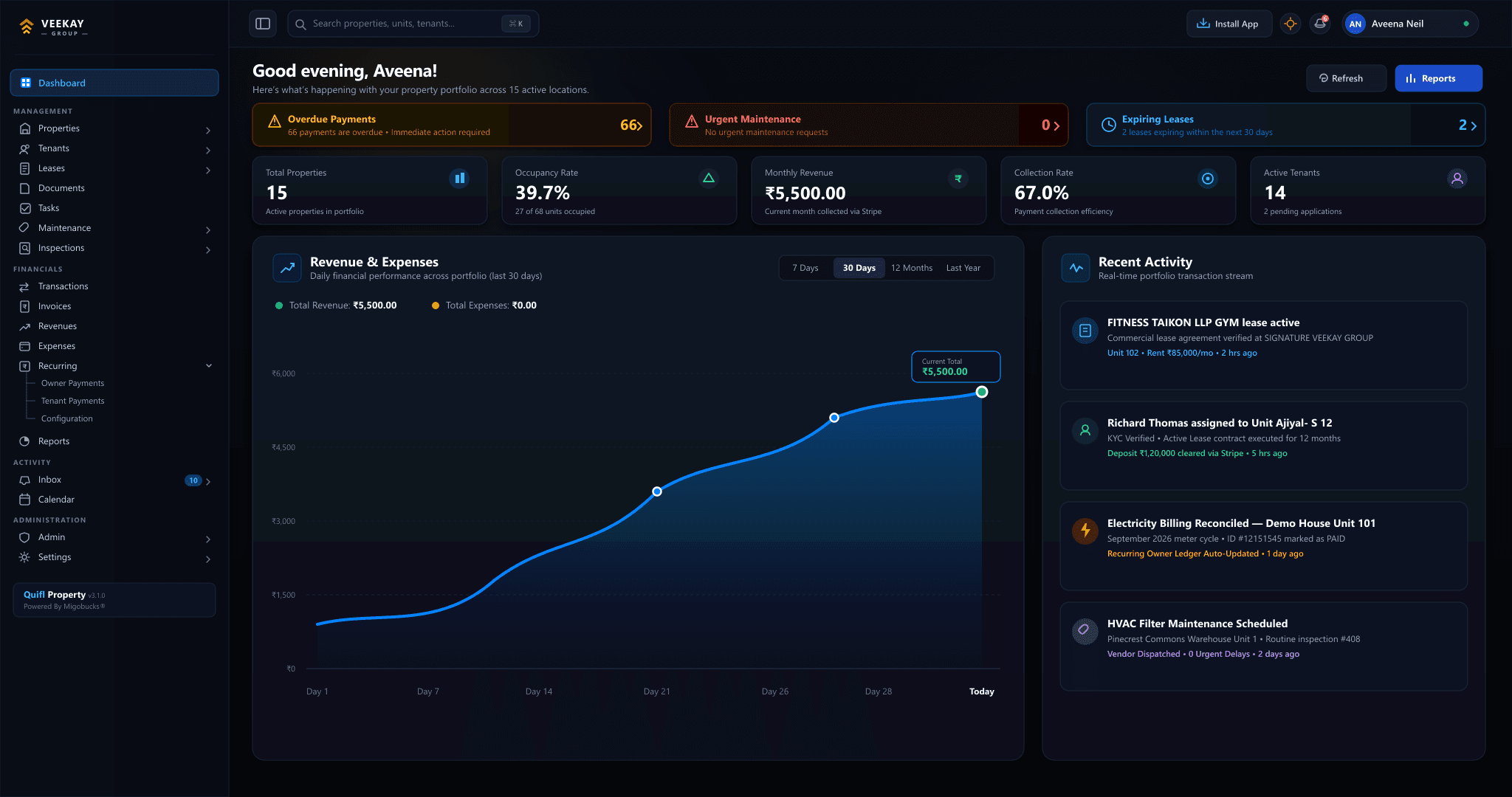
4. Project Management and Workflow Coordination
Project-based businesses often coordinate activities across sales, design, procurement, inventory, site operations, finance, and customer communication.
When these functions operate in separate systems, project managers spend considerable time gathering updates and identifying dependencies.
AI agents can help by:
- Summarizing project progress from authorized system records.
- Identifying overdue tasks and approaching milestones.
- Highlighting dependencies between procurement and site activities.
- Comparing planned and actual progress.
- Drafting project status reports.
- Recommending corrective actions for project manager review.
Imagine a solar installation project with a scheduled installation milestone. The project system shows that the site is ready, but a required component has not arrived.
An AI agent could identify the dependency, flag the risk to the milestone, and notify the project manager. If permitted, it could prepare a revised schedule or draft a supplier follow-up.
This is where agentic AI becomes particularly relevant to enterprise resource planning (ERP). Instead of treating project management, procurement, inventory, and finance as isolated functions, an organization can use connected workflows to coordinate activities across departments.
The underlying system must still provide accurate project status, material availability, task dependencies, and authorization rules.
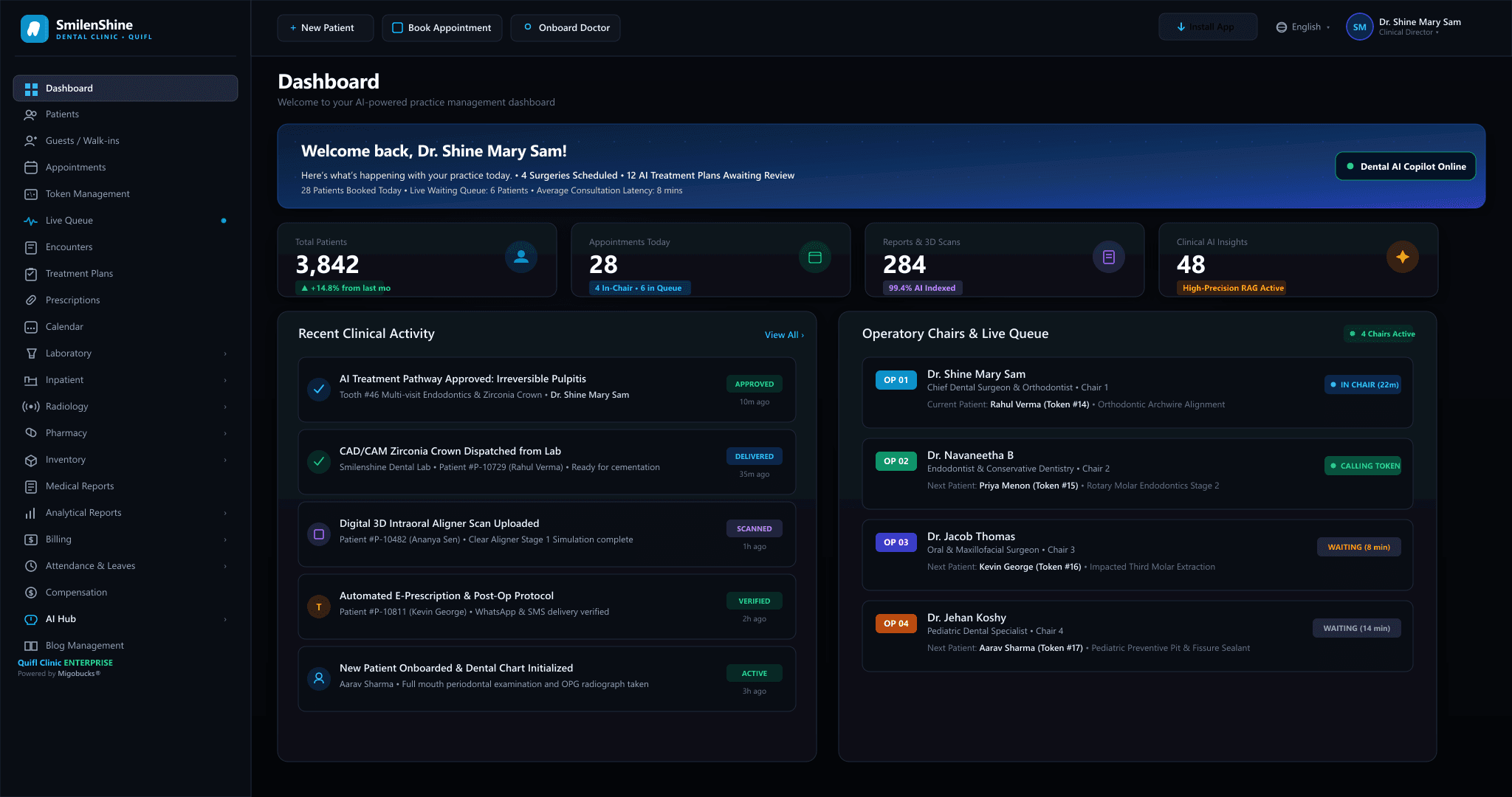
5. Customer Support and Service Management
Customer support teams handle repetitive questions, service requests, issue classification, and escalation.
AI agents can assist with:
- Categorizing incoming support tickets.
- Retrieving relevant information from approved knowledge bases.
- Summarizing previous customer interactions.
- Recommending troubleshooting steps.
- Routing complex cases to the appropriate team.
- Tracking unresolved issues and preparing follow-up messages.
For example, a customer reporting an issue with an ERP feature may receive an initial response generated from approved documentation. If the issue involves financial data, permissions, or a system failure, the agent can escalate it to the appropriate support team.
The objective is not to remove human support professionals from every interaction. It is to reduce repetitive work and help employees focus on cases requiring investigation, judgment, or customer-specific attention.
Why Business Systems and Data Matter More Than Ever
An AI agent is only as useful as the information and actions available to it.
If customer information is inconsistent, inventory records are outdated, or project milestones are not maintained, an agent may produce recommendations that are incomplete or incorrect.
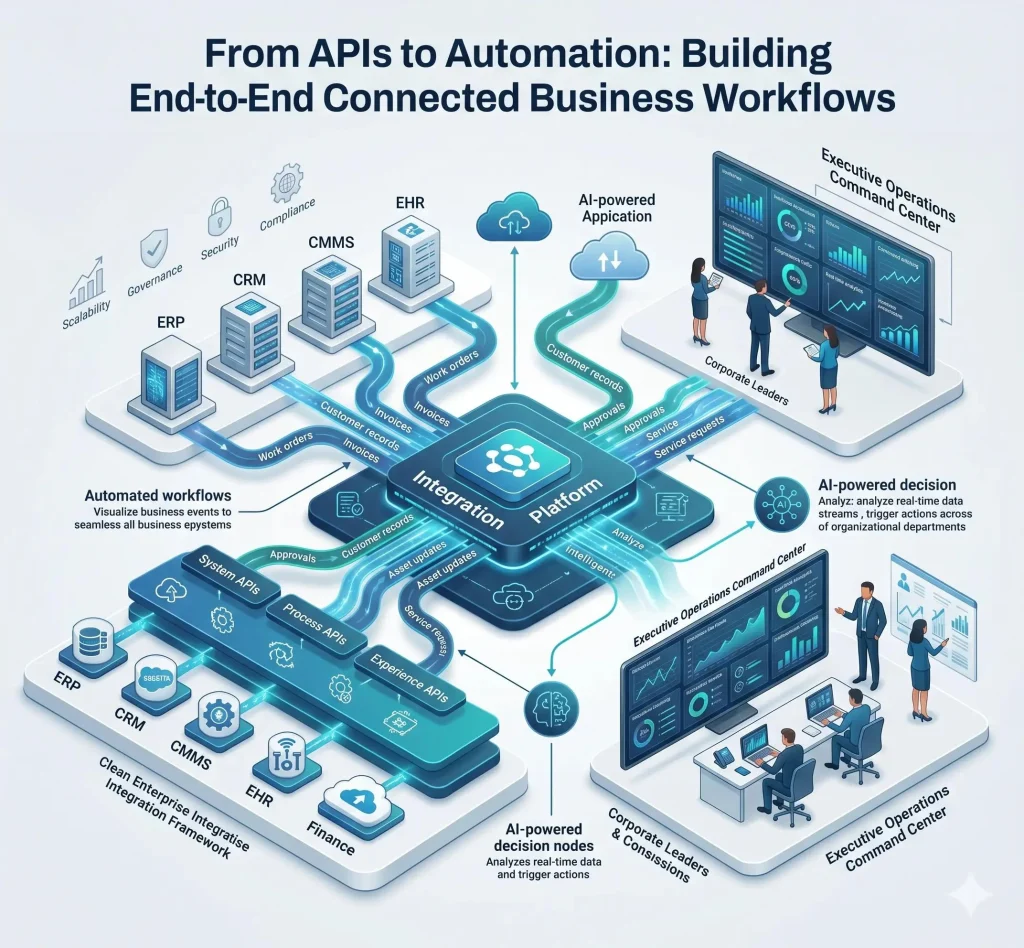
This is why organizations should view agentic AI as part of a broader business technology architecture rather than as a standalone tool.
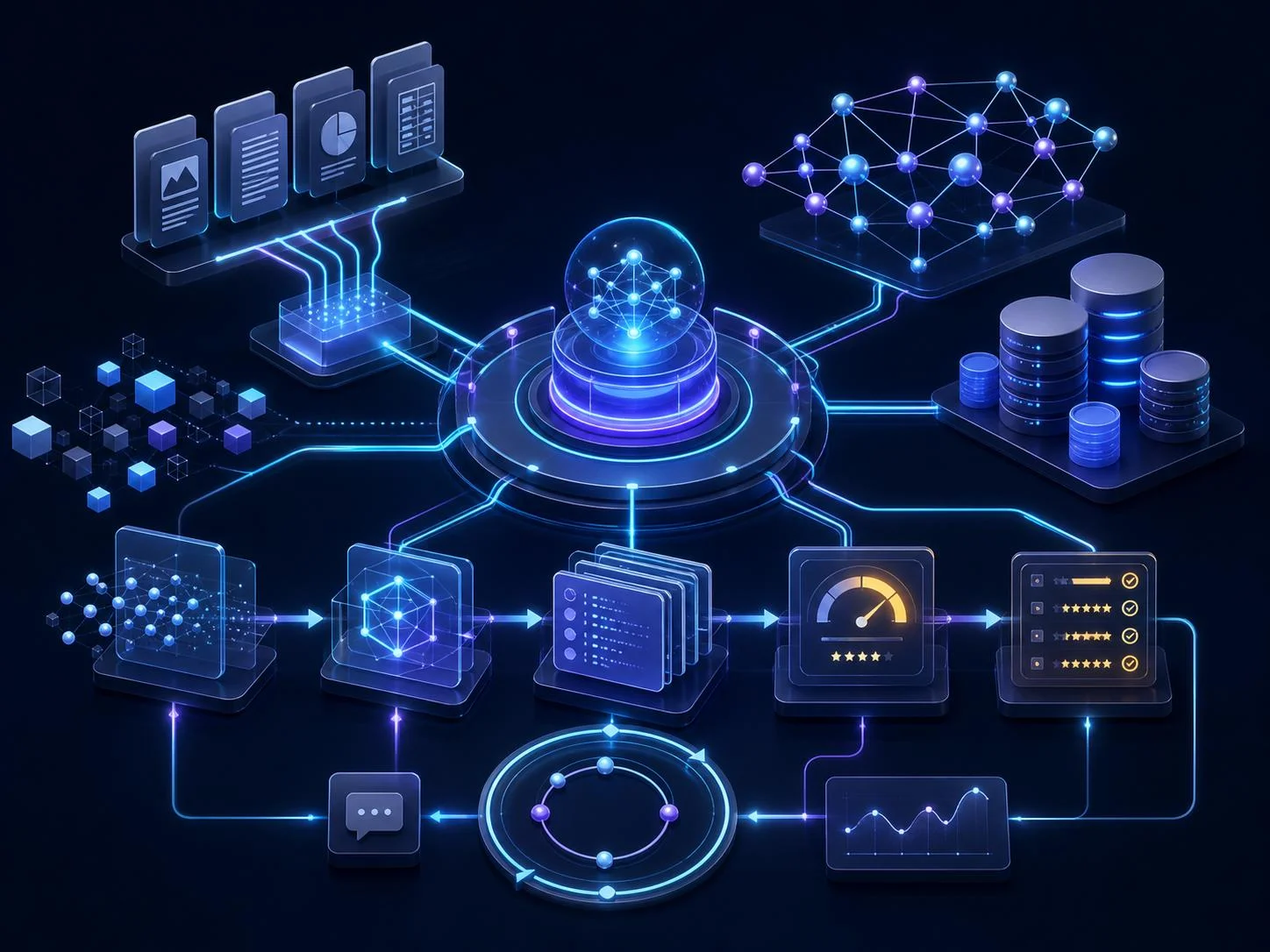
A practical architecture includes four elements:
1. Reliable business data
Customer records, product information, project details, financial transactions, and inventory balances must be accurate enough for the intended use case.
2. Connected enterprise systems
The AI agent needs authorized access to relevant information through controlled APIs, tools, or integration layers. It should not have unrestricted access to every system.
3. Business rules and permissions
The organization must define what an agent can read, recommend, create, update, or approve. High-impact activities should have explicit authorization requirements.
4. Monitoring and accountability
The business must be able to inspect the actions taken, identify errors, review exceptions, measure costs, and determine whether the agent is delivering the expected results.
For enterprise software, this means AI capabilities should be designed around existing business processes and controls. Simply adding a chat bot to a disconnected system will not automatically create an intelligent operation.
What Are the Risks of Agentic AI?
Agentic AI can create operational value, but greater autonomy introduces additional risks.
Inaccurate outputs
AI systems can misinterpret information or generate incorrect recommendations. Organizations should validate critical outputs against authoritative business records and deterministic rules.
Excessive permissions
An agent with access to sensitive customer or financial data can create security and privacy risks. Access should follow least-privilege principles, with separate permissions for reading, modifying, and approving information.
Uncontrolled actions
An agent that can send messages, update records, or initiate transactions may create problems if its instructions or integration’s are poorly configured. Approval gates, action limits, and rollback procedures should be designed according to the risk involved.
Unclear return on investment
An AI project may demonstrate technical capability without generating measurable business value. Licensing, integration, infrastructure, monitoring, and ongoing maintenance costs must be considered alongside the benefits.
Limited accountability
Businesses need to know which agent performed an action, what information it used, which rules applied, and who authorized consequential decisions. Logging and traceability should be part of the implementation rather than added later.
These are not reasons to avoid agentic AI. They are reasons to implement it with clear boundaries and measurable controls.
How Businesses Can Start Implementing Agentic AI
Organizations do not need to redesign every business process at once. A phased approach allows them to validate the technology before expanding its responsibilities.
Step 1: Identify a business problem
Start with a measurable operational issue, such as lengthy lead qualification, manual invoice extraction, repetitive support requests, or delays caused by missing project information.
Avoid selecting a use case simply because it demonstrates advanced AI capabilities.
Step 2: Map the existing workflow
Document the current process, including inputs, outputs, responsible roles, business rules, exceptions, approvals, and connected systems.
Business analysts are particularly valuable at this stage because they can identify process bottlenecks and distinguish genuine business needs from assumptions about technology.
Step 3: Evaluate data and integration readiness
Determine whether the required information is available, accurate, and accessible through secure integration’s.
Identify duplicate records, missing fields, inconsistent definitions, and disconnected applications that could undermine the outcome.
Step 4: Define the agent’s boundaries
Specify which tasks the agent may perform independently and which require human approval.
For example, an agent might classify a purchase request and prepare a supplier comparison, while a procurement manager approves the final supplier selection.
Step 5: Run a controlled pilot
Test the agent using representative scenarios, including incomplete inputs, conflicting records, unusual requests, and failed integration’s.
Compare its performance with the existing process before expanding access or autonomy.
Step 6: Measure business outcomes
Evaluate whether the implementation improves the process rather than merely producing acceptable AI responses.
Useful measures include:
- Average processing time per transaction.
- Error and rework rates.
- Percentage of tasks completed without manual intervention.
- Exception and escalation rates.
- Cost per completed task.
- User satisfaction and adoption.
- Compliance with approval and access policies.
Step 7: Expand gradually
If the pilot produces reliable results, extend the implementation to additional workflows. Review performance, permissions, and operating costs regularly as the agent takes on more responsibility.
The goal is controlled improvement, not maximum autonomy.
The Role of a Business Analyst in Agentic AI Adoption
As organizations explore agentic AI, the business analyst’s role becomes increasingly important.
Successful implementation requires translating business objectives into clearly defined workflows, requirements, decision rules, integration specifications, and measurable acceptance criteria.
A business analyst can contribute by:
- Identifying processes suitable for AI-assisted automation.
- Documenting as-is and to-be workflows.
- Gathering stakeholder requirements and identifying process exceptions.
- Defining business rules and human approval points.
- Working with technical teams on data and system integration requirements.
- Supporting risk assessment and user acceptance testing.
- Establishing KPIs to evaluate operational impact.
For example, a request to “automate procurement using AI” is too broad to serve as an implementation requirement.
A more useful requirement might specify that the system should identify incomplete material requests, validate requested quantities against project requirements, check available stock, and prepare a purchase request for approval when a shortage is confirmed.
The requirement should also define exceptions, authorization rules, audit requirements, and expected results.
This level of detail helps organizations turn emerging technology into a practical business solution.
The Future of Agentic AI in Enterprise Technology
Agentic AI is part of a broader movement toward more connected and intelligent enterprise systems. As organizations experiment with AI agents, the emphasis is shifting toward reliable execution, integration, governance, and measurable business outcomes.
The most useful implementations will not necessarily be the ones with the highest degree of autonomy. They will be the ones that solve clearly defined problems, work with trusted data, respect business rules, and demonstrate sustained operational value.
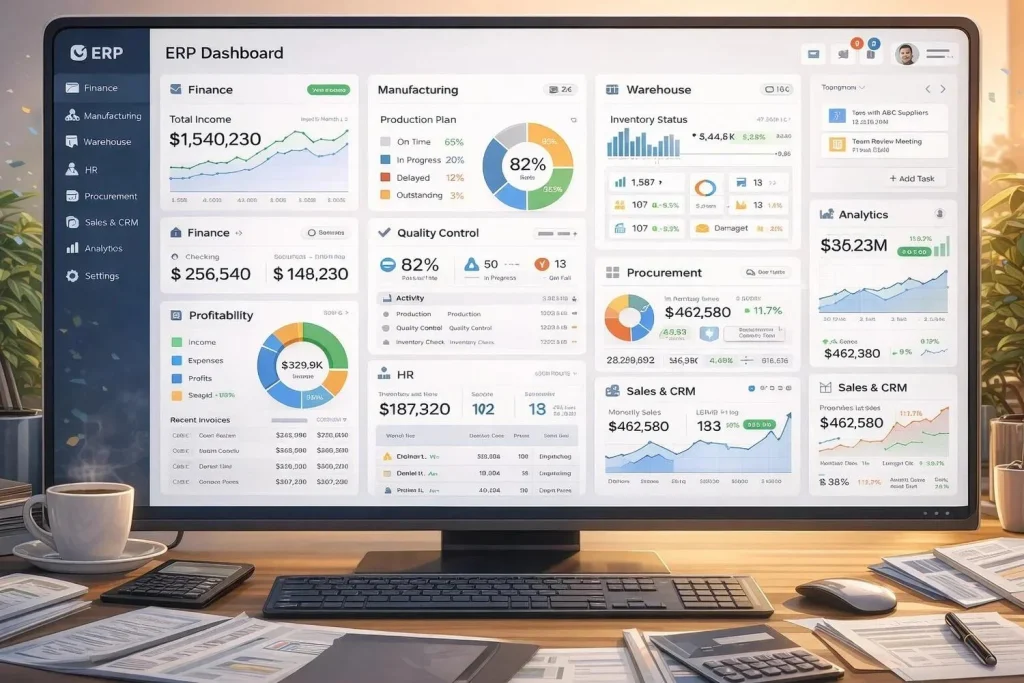
For ERP and business management platforms, this creates an opportunity to connect information across sales, procurement, inventory, finance, and project operations. AI can help interpret information and coordinate work, while the underlying systems remain responsible for authoritative records, transaction integrity, and access control.
For businesses considering AI adoption, the starting point is straightforward: understand the process first, establish the necessary controls, and introduce intelligence where it produces a measurable improvement.
Conclusion
Agentic AI represents an important development in the evolution of business automation. It extends the potential of AI from generating information to supporting multi-step workflows across enterprise operations.
However, successful adoption requires more than advanced models. Businesses need reliable data, well-defined processes, secure integration’s, clear accountability, and a practical approach to measuring results.
For business analysts and technology teams, the opportunity is to bridge the gap between emerging AI capabilities and real operational requirements.
The key question is no longer simply whether a business can use AI. It is where AI can create measurable value, how its actions should be controlled, and how the organization can scale that value responsibly.
At Migobucks Tech, exploring these connections between business processes and emerging technologies is essential to understanding how organizations can build more connected, efficient, and intelligent operations.
Suggested related reading:
Related Topics
Share this post

Aravind
Published on October 21, 2026 • 13 min read
Discussion 0
No comments yet
Be the first to share your thoughts and join the conversation.
Leave a Comment
Your email address will not be published. Required fields are marked *